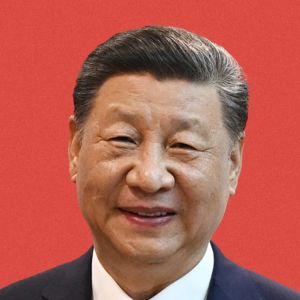
In a live New Year’s Eve speech broadcast to 1.4 billion people, President Xi Jinping made it clear: China isn’t stepping back, it’s charging forward. “China has become one of the world’s fastest-rising economies in terms of innovative capacity,” Jinping said, delivering a message soaked in confidence and backed with numbers. Jinping didn’t just talk chips and models, he plugged new progress in humanoid robots, military drones, and the Fujian aircraft carrier, now fitted with an electromagnetic launch system. The country’s GDP is set to hit 140 trillion yuan ($20 trillion) in 2025, and the government says it has met key targets from the current Five-Year Plan. China defies chip bans and fuels AI IPO surge China’s AI industry kicked the door open early in the year when startup DeepSeek released a cheap, powerful model that ignored Washington’s chip export bans and shocked Wall Street, caught Silicon Valley off guard, and proved that Jinping’s tech machine was not waiting for permission. In his speech, he called for even greater confidence in China, urging the nation to “maintain firm confidence and build on our momentum.” Following DeepSeek’s breakthrough, Chinese chipmakers rushed to IPO, raising billions in a push to fuel tech self-reliance. Meanwhile, Trump’s renewed trade war failed to choke China’s export strength. Instead of folding, Beijing leaned on its rare earths advantage, forcing concessions on tariffs and export restrictions. Chinese exports flowed to new markets, and for the first time ever, the country’s trade surplus topped $1 trillion, an unmatched record in global trade. Despite rising tensions, Jinping and Trump agreed to a one-year truce in South Korea back in October. That fragile peace has helped stabilize ties between the two countries. Trump is scheduled to visit China in April, and the tone from Beijing has clearly changed. In a noticeable change from his 2025 address, Jinping didn’t even mention “external uncertainties” as a risk going forward. Instead, he leaned into the start of the 15th Five-Year Plan, promising more development, less noise. Jinping pushes anti-corruption purge and tightens grip on Taiwan Not everything was a victory lap. Jinping brought back his anti-corruption drive, calling for the Communist Party to “remove decay and grow new flesh.” The purge has now expanded to include scores of military generals, with a record number of top-level officials caught in corruption investigations in 2025. Domestically, trouble hasn’t gone anywhere. Jinping confirmed that China still aims to hit a 5% growth target, even as parts of the economy weaken. Factory activity picked up slightly in December, hitting a PMI of 50.1, but overall signs aren’t strong. Investment fell again in November. Consumer spending dropped, and the property sector kept sliding, underlining soft demand at home. Still, Jinping has recently said the country should focus on quality over speed, and even warned against “reckless” development projects. He didn’t skip geopolitics. Taiwan came up, as always. “Compatriots on both sides of the Taiwan Strait are connected by blood that is thicker than water,” he said, adding that reunification is unstoppable. That came just after China wrapped up its largest-ever military drills around the island. For two days, People’s Liberation Army units surrounded Taiwan in a simulated blockade, with live-fire exercises and missiles splashing near the island’s edges. If you're reading this, you’re already ahead. Stay there with our newsletter .